
 Lawless French à fond is a one-stop resource for essential aspects of the French language and francophone cultures, including common difficulties, customs, and important events. Dive deep into these knotty topics with lessons, practice exercises, and related content published approximately every three weeks.
Check it out!

Les bises à fond
Getting friendly with the French (and many other Europeans) means getting comfortable with les bises. 💋 These not-quite-cheek-not-quite-air kisses are an essential part of French culture, so being prepared to give and receive them is vital. Today's issue of Lawless French à fond takes an in-depth look at les bises: what they are, when and how to do them, and more.

French Open à fond

Films et le festival de Cannes à fond
Le festival de Cannes is one of the most famous film festivals in the world, and it takes place every May in the beautiful south of France. This issue of Lawless French à fond is all about movies and movie festivals.

Faire à fond
Faire is one of the most common and important French verbs. It generally means “to do” or “to make,” but can also mean “to be” and is found in numerous idioms as well as the causative construction. Today’s issue of Lawless French à fond takes an in-depth look at everything you can do and all the phrases you can make with faire.

Pâques à fond
Contractions à fond
A contraction is a combination of two words into a shorter form, and there are two different ways to do this in French. This issue of Lawless French à fond takes an in-depth look at the different types of contractions and other ways to shorten words.

Être à fond
Être is one of the most common and important French verbs. In addition to meaning “to be,” it’s found in many idioms and creates the passive voice as well as the compound conjugations for certain verbs. Today’s issue of Lawless French à fond dives to the heart of the essential French verb être.

Pronominal Verbs à fond
Many French students are first introduced to reflexive verbs and then continue using this term for all verbs that need a reflexive pronoun, but in fact there are 4 different kinds of French pronominal verbs, depending on the meaning / purpose of the pronoun. Here's an in-depth look at understanding, conjugating, and using pronominal verbs.

Avoir à fond
Avoir is one of the most common and important French verbs. Officially it means "to have," but it's equivalent to "to be" in many daily expressions, and is found in numerous idioms as well as in compound verb conjugations. This issue of Lawless French à fond takes an in-depth look at the many faces and features of avoir.

Accents à fond
While French uses the same 26-letter alphabet as English, it decorates half a dozen of them with diacritical marks, aka accents. The purpose of these accents varies, but they are always required when writing and typing. Take an in-depth look at accents: what they mean, how to use them, and how to type them on any computer, tablet, or phone.
Le Louvre à fond
The Louvre is the largest art museum in the world. It would take months to see each of the 🏺 35,000 pieces of art 🖼️ displayed at any given time, but most visits generally last about 2-4 hours - including time to admire la Joconde (the Mona Lisa) and the Venus de Milo. This issue of Lawless French à fond offers vocabulary, grammar, and listening practice exercises related to museums in general and le Louvre in particular.
Relative Pronouns à fond

La rentrée
La rentrée is one of the biggest events of the French year. In many countries, early September is end-of-summer-break-and-back-to-school time, but in France it's so much more than that. Here's everything you need to know about la rentrée with Lawless French à fond.

Subjunctive à fond
The French subjunctive can be extremely daunting, but like everything else, it can be mastered with good lessons, quality practice, and a fair amount of time. Check out this packed issue of Lawless French à fond for everything you need, including the full-size, shareable version of this cute meme.

Bastille Day à fond
Possessive Adjectives à fond
Possessive adjectives are an essential component of everyday French, and yet they are kind of tricky for several reasons. For one thing, French has more than twice as many different possessive adjectives as English (15 vs 7), and for another, they don't always translate between the languages quite like you'd expect them to.

Le Premier Mai à fond
Happy May Day! You probably know that May 1st is a holiday in France - but did you know that it’s actually two holidays? Learn how they fit together, discover some related French lessons and exercises, and send a virtual muguet to your favorite Francophile!

Articles of Determination
Despite their tiny size, French articles are an immensely important part of speech. They introduce and modify nouns, providing key information about the purpose of those nouns - as well as their gender and number. Today’s issue of Lawless French à fond takes an in-depth look at the similarities and differences between French articles, and the tricky aspects of using them correctly.
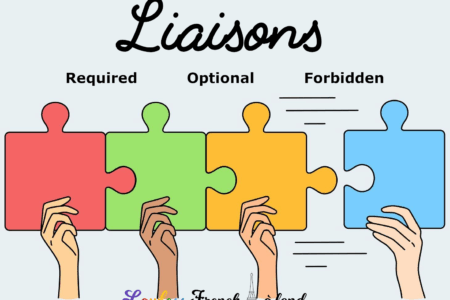
Liaisons à fond
They're only dangerous if you don't understand them. Learn everything you need to know in this issue of Lawless French à fond.

Tu vs Vous à fond
One of the very first things French students discover is that there are two ways to say "you," which can seem really strange for English speakers. In some cases, the choice between tu and vous is obvious, but for certain relationships, it's much more of an art 🎨 than a science. 🧪 Even native speakers don't always know which pronoun to use!
Crêpes et Galettes à fond
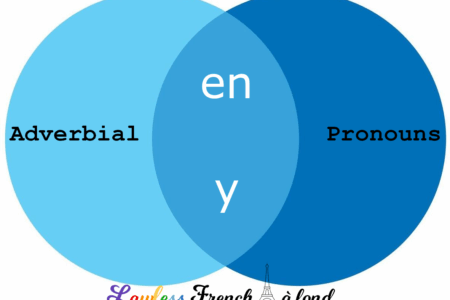
Adverbial Pronouns à fond

Nouvel An à fond
Another new year, another fresh start, another opportunity to reminisce and plan. This issue of Lawless French à fond is a collection of lessons, quizzes, and exercises related to the New Year.
Holidays and Celebrations à fond
The holiday season is just around the corner, which I've always felt is a great time for language learners. It can be a lot of fun to discover new holidays and different ways to celebrate the ones you already know, so today's issue of Lawless French à fond is a collection of content related to celebrating and talking about holidays and other special occasions in French. Bonne(s) fête(s) !

Geographical Prepositions à fond
In English, talking about geography is fairly straightforward, prepositionally speaking. Regardless of the type of place, whether it's a city or a region or a country, when talking about going somewhere ✈, being somewhere 🏨, or returning from somewhere 👋, we use just three prepositions: to, in, from. In French, geographical prepositions are orders of magnitude more complicated.
Object Pronouns à fond
Love it or hate it, grammar is an essential part of language, and using object pronouns correctly is key to making your sentences sound more natural. This issue of Lawless French à fond takes an in-depth look at direct and indirect object pronouns, where they go, and when and why it's important to use them.

Imparfait vs Passé composé à fond
Talking about the past - remembering old friends, recalling great parties, reminiscing about wonderful travels 👣 - is a lot of fun, but doing it in French can be stressful, thanks to the tricky relationship between the two most common French past tenses.

Numbers à fond
When I talk to French students about what they have the most trouble with, at least half of them mention numbers. In French, iIt’s more than just vocabulary: it’s math. 🧮 So if you find yourself writing things like 4-20-17 and then realizing, oops, that’s 97, this audio-packed issue of Lawless French à fond is for you.
Imperative à fond
When it comes to the imperative, your first thought might be about bossing someone around, but there's a lot more to it than that. In addition to giving orders, the imperative is also used to provide instructions, make requests, offer advice, and more. So knowing how to use this verb form is, ahem, imperative for many everyday situations.

Francophonie à fond

Adjectives à fond

Avoir vs Être à fond
Wine à fond
Negation à fond

La tour Eiffel à fond
Love what you see? Head over to Lawless French à fond to find out which topics I’ll feature next and subscribe.
Note that Lawless French à fond is not a replacement for my regular 2x-weekly newsletter, which includes links to a variety of topics in each issue. They are separate subscriptions, so you can choose to subscribe to either one or both.
 This free website is created with love and a great deal of work. If you love it, please consider making a


 There’s no secret recipe for fluency; indeed, it’s difficult to even find consensus on what “fluency” actually means. Is it the ability to have a conversation, or language proficiency equivalent to that of a native speaker?
 You probably know that 14 July is Bastille Day, but do you know what it’s called in French? (Hint, it’s not “jour de Bastille.”) Do you know the history behind Bastille Day, or how it’s celebrated in France? This page has links to everything you could possibly want to know.